Why Understanding the History of Wars Matters More Than Taking Sides
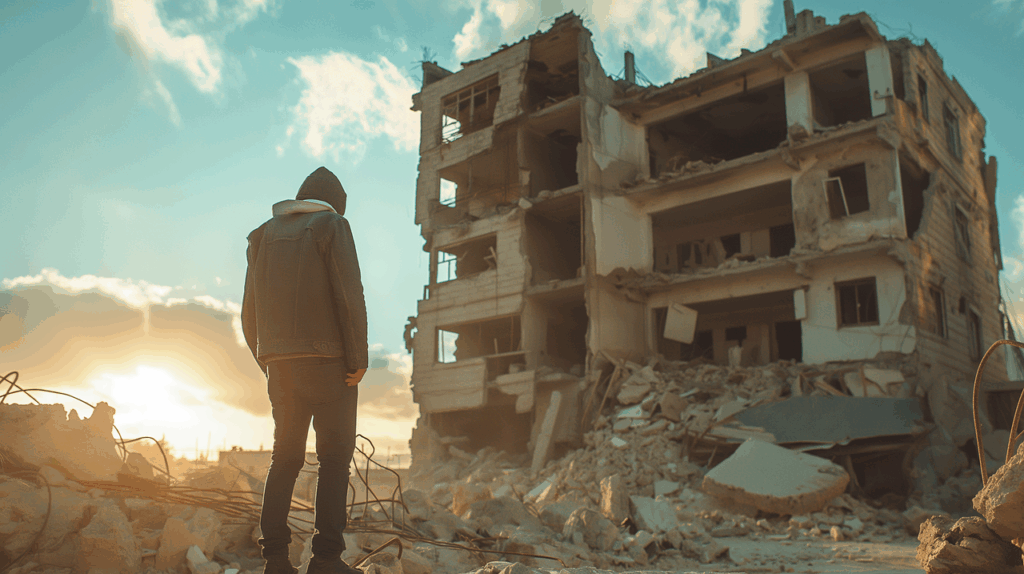
ai generated war destruction 8590336
In today’s hyper-connected world, global conflicts unfold in real-time across our screens. Hashtags trend, videos go viral, and public opinion forms in minutes. Yet, in the rush to react, a dangerous pattern is emerging: more and more people are choosing sides in wars they barely understand but understanding the history of wars is crucial.
It’s not surprising. Social media thrives on emotion, not nuance. The platforms reward outrage over reflection, loyalty over learning. But history — and the lives caught in these conflicts — demand more from us. Simply supporting one side without understanding the roots of a war is not just careless; it can fuel division, misinformation, and even violence.
War Is Never Just Black and White
Wars rarely begin because of one event or one leader. They are built on decades — sometimes centuries — of unresolved tensions, broken agreements, power struggles, and historical wounds. When we ignore that context, we reduce real human suffering to a team sport.
Take almost any modern conflict and dig deeper: you’ll find colonial borders drawn without regard to local realities, foreign interference, suppressed uprisings, or economic inequalities. These are not excuses — they’re explanations. And without them, we risk treating war like a headline, not a human catastrophe.
The Cost of Ignorance
Picking a side without understanding the cause is more than an intellectual failure. It actively contributes to polarization. Entire populations are demonized, nuanced voices are drowned out, and meaningful dialogue is replaced by memes and slogans.
Worse, it makes it easier for bad actors to manipulate public sentiment. Propaganda spreads quickly when people stop asking questions. Misinformation thrives when context is missing. And in digital spaces where conflict gets commodified, empathy often gets lost entirely.
Why We Must Study the Causes
Knowing the history behind a war isn’t about defending aggression or finding moral equivalence. It’s about seeing the full picture — and being able to speak about it responsibly.
Understanding the roots of conflict helps us:
- Recognize manipulation: Both sides in any war have narratives. Without historical awareness, it’s easy to become a mouthpiece for propaganda.
- Protect democracy: Democracies rely on informed citizens. Decisions about foreign policy, aid, and intervention require more than emotional reactions.
- Build real solidarity: If we want to stand with victims of war, we need to know who they are, what they’ve endured, and what solutions they actually seek — not what makes for a popular post.
Social Media’s Double Role
To be clear, social media is not the enemy. It has given oppressed communities a voice and exposed crimes that would otherwise stay hidden. But it is also a double-edged sword. The same tools that raise awareness can divide us when used without care.
Algorithms push the content that gets clicks, not the content that informs. In this environment, education becomes a personal responsibility. Sharing a post is easy. Understanding what you’re sharing — and why — takes work.
A Call for Informed Engagement
We’re living in a time when the world feels increasingly fractured. Conflict is everywhere — on the news, in our conversations, in our feeds. But if we truly care about peace, justice, and human rights, we owe it to ourselves and to each other to go deeper.
Read. Ask questions. Look at history. Talk to people who think differently. Resist the urge to reduce everything to good guys and bad guys.
Supporting peace doesn’t mean staying neutral. It means being informed, compassionate, and unwilling to let ignorance shape our view of the world.