Deconstructing Empathy: The Crisis of Individualism and the Rise of the Forgotten Children

man black man mobile phone person 1868730
In today’s world, something essential is slipping through our fingers. We are more connected than ever, yet increasingly distant. Behind the progress and convenience of modern life lies a growing emptiness—a society that is slowly forgetting what it means to be human. And our children are the Forgotten Children.
We live in a time where the self is placed above all. Individual freedom, personal goals, and self-expression dominate our values. On the surface, these seem like signs of progress. But beneath them is a darker trend: the erosion of community, empathy, and shared responsibility.
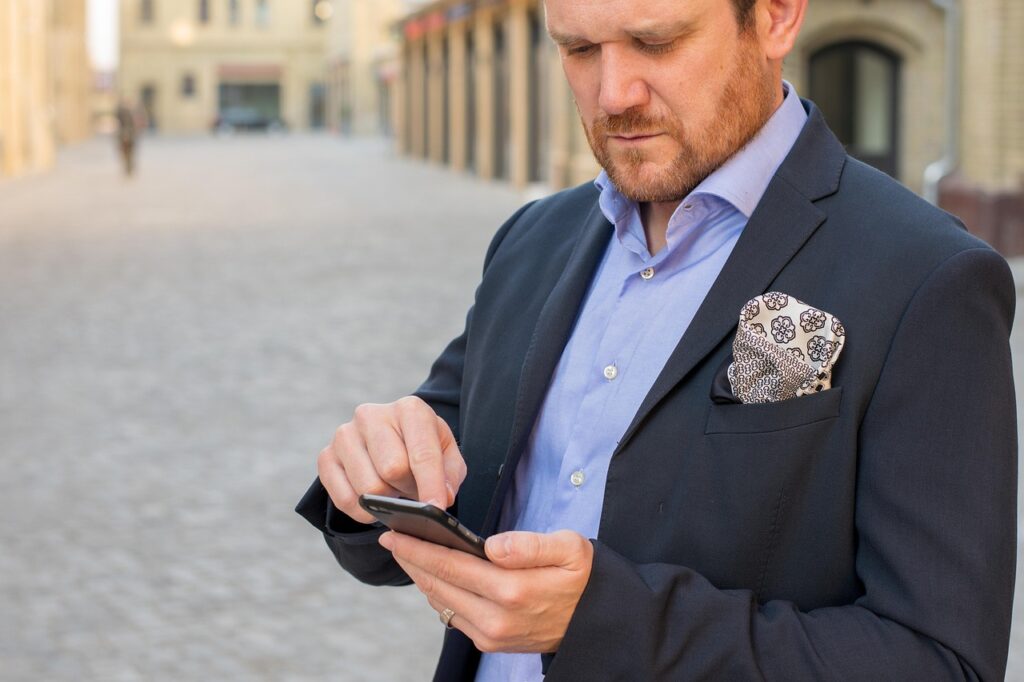
People are retreating into personal worlds, often surrounded by screens rather than other people. Relationships become transactional. Feelings are managed, not shared. Success is measured in personal milestones, not in what we give to others. It’s a world where self-interest quietly replaces solidarity.
In this context, even something as meaningful as raising a child can lose its depth. For many, having children is no longer a deliberate act of love and commitment, but a routine step in life. It’s what’s expected—something people do without fully questioning why.
But the consequences are serious. Children sense when they are not truly wanted or valued. They grow up feeling like they were part of a checklist, not part of someone’s heart. Parents, distracted by their own lives, goals, and frustrations, offer presence without attention, discipline without connection, and structure without warmth.
From birth, babies seek faces. They search for eyes that meet theirs, voices that soothe, hands that hold. This is not just a cute instinct—it’s biology. Human connection, especially in the early years, is the foundation of emotional regulation, brain development, and attachment security.
When caregivers are emotionally present—responding to cries, offering affection, mirroring feelings—the child learns that the world is safe and predictable. This forms the basis of trust, resilience, and empathy.
But when a baby is physically held yet emotionally ignored—left waiting while a parent scrolls endlessly through a screen—confusion sets in. The baby’s nervous system may remain on high alert. Emotional needs go unmet, and a sense of abandonment starts to take root, even if the parent is technically in the room. That’s why we call it the The Dehumanization of Modern Society: Individualism, Fear, and the Forgotten Children
Screens are everywhere—televisions on in the background, tablets used as pacifiers, phones in hand during feedings. Many parents don’t realize the harm because it’s become so normalized. But science is clear: too much screen exposure in infancy is harmful.
Unlike real human interaction, screens offer stimulation without reciprocity. They flash and move and speak—but they don’t respond to the baby’s cues. This creates unnatural stimulation patterns in the developing brain, often leading to problems with attention, self-regulation, and delayed language and social skills.
Even more damaging, when screens replace face-to-face interaction with caregivers, babies lose the critical learning that comes from human expression and emotional exchange. The screen may entertain, but it does not love.
This isn’t always intentional. Many parents are overwhelmed or emotionally starved themselves. But the outcome is the same: a generation raised in emotional silence, learning to fend for themselves in homes that should have been safe havens.
Alongside this individualism grows a subtle fear of others. Neighbors are strangers. Communities feel unsafe or irrelevant. We avoid eye contact, avoid discomfort, and avoid each other. Trust, once the glue of any healthy society, is being replaced by suspicion and detachment.
This fear seeps into every part of life. It shapes our cities, filled with locked doors and private spaces. It influences parenting, turning it into a defensive act rather than a nurturing one. And it leaves people—young and old—lonelier than ever, even when surrounded by others.
There’s no simple solution, but the first step is awareness. We need to pause and ask: what kind of world are we building? What kind of relationships are we modeling? Are we raising human beings—or just managing them?
True humanity begins with presence—with caring, listening, and making space for others. We must rebuild our sense of community, not through slogans, but through small, consistent acts of care. We need to choose connection over convenience, commitment over comfort, and love over habit.
Bringing a child into the world should never be a default choice. It should be a conscious decision to nurture life and build something beyond the self. Likewise, living in a society means more than coexisting—it means choosing to belong, to trust, and to engage.
This isn’t about nostalgia. It’s about survival. A society that forgets how to care cannot sustain itself. If we want a future that feels human, we must start acting human again—before it’s too late.